- Blogs
Evidence-Based Functional Physiotherapy for Children in New Zealand
-
-
August 31, 2026
-
Reading time 11 mins
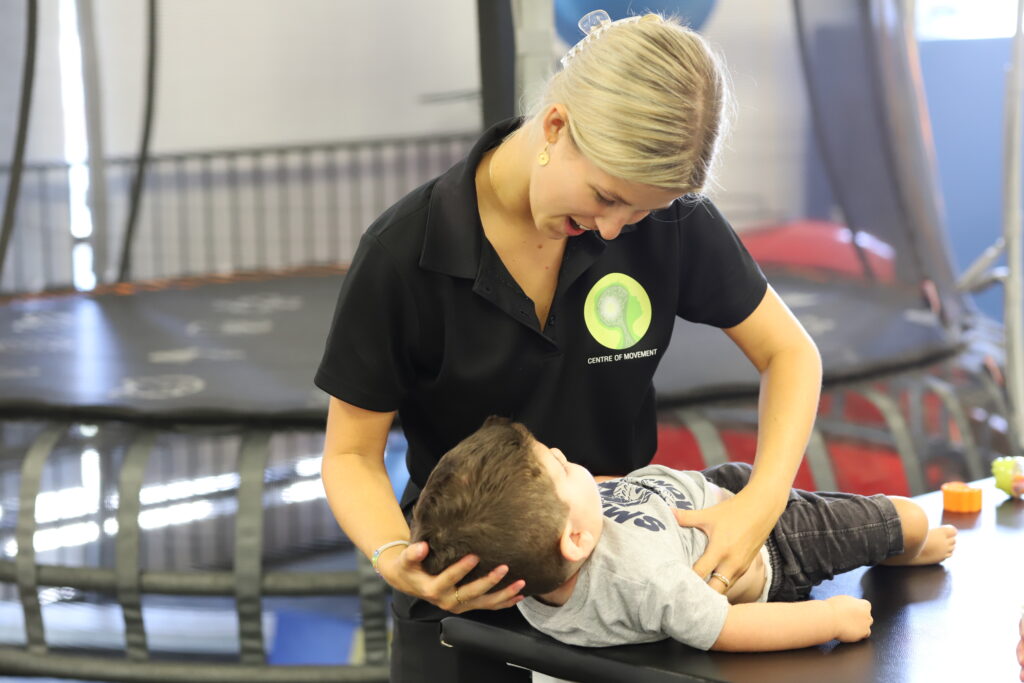
Table of Contents
For children living with physical, neurological and developmental delays , physiotherapy is about more than improving strength or movement. We help children develop the physical skills they need to participate more in everyday life — whether that means sitting independently, moving from the floor to standing, walking, or gaining independence in their daily lives.
What is evidence-based functional physiotherapy?
Evidence-based physiotherapy means that clinical decisions are guided by the best available research, combined with the therapist’s clinical expertise and the needs, goals and circumstances of each child and their whānau.
The Physiotherapy Board of New Zealand describes physiotherapists as providing person- and whānau-centred, evidence-informed care, focused on developing, maintaining, restoring and optimising health and function.
Rather than focusing only on individual physical impairments, functional physiotherapy looks at how a child’s movement and physical abilities affect what they can do in daily life. Improving leg strength is valuable, for instance — but being able to use that strength to stand up from the floor, get into their wheelchair or use their walker to walk around on the playground is often the more meaningful outcome. For us, this means combining the science of rehabilitation with the child in front of us: keeping therapy grounded in the child’s own goals and everyday life, challenging them just the right amount, with progress measured and changing the therapy as they develop.
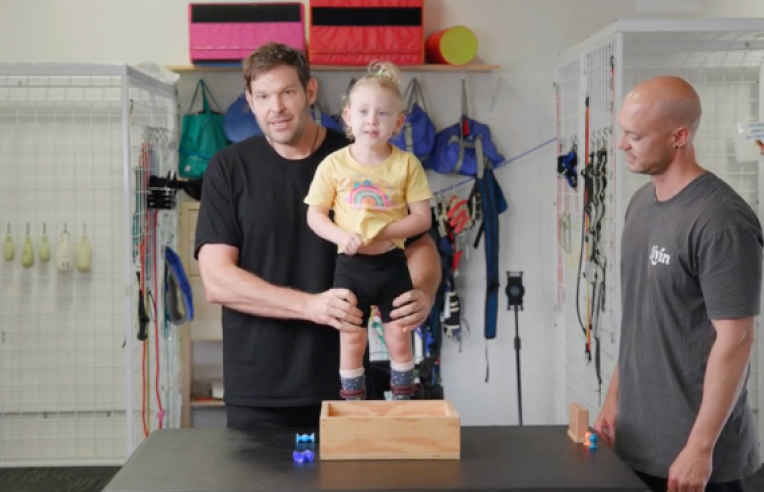
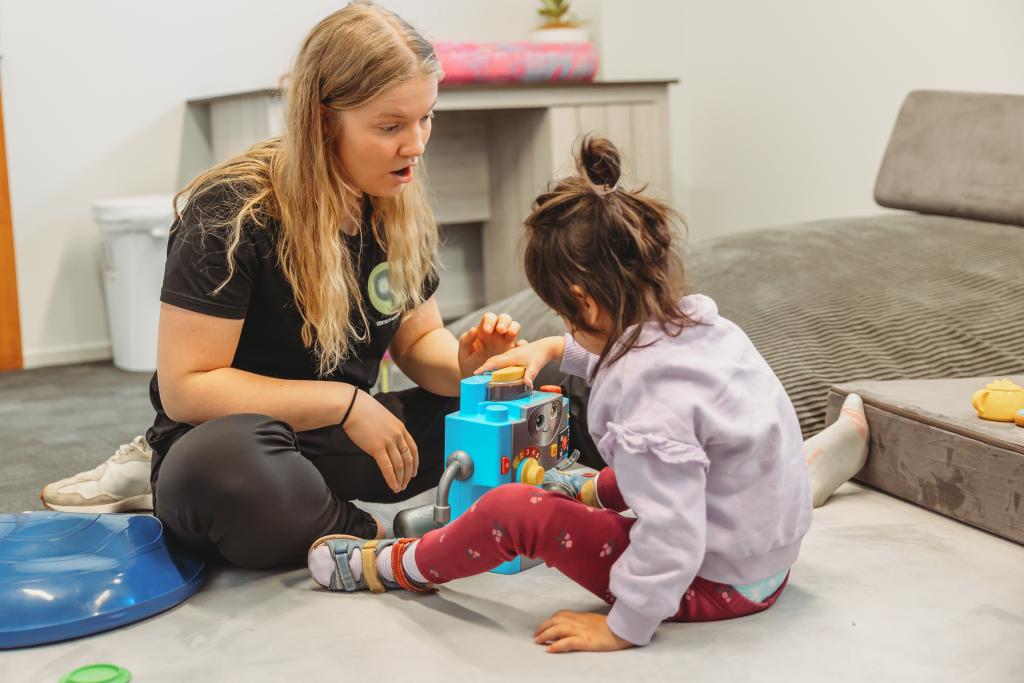
Sessions may include activities such as practising their sitting balance, getting up from the floor, walking over different surfaces, re-education of gait in the universal exercises unit with the treadmill, balancing, or moving from lying or sitting into standing — each offering opportunities to build strength, balance, coordination, motor planning and endurance.
Most importantly, we want the skills developed in therapy to extend beyond the clinic and into everyday life — helping children move, play, participate and engage more confidently in the activities that matter to them.
References:
Bailes, A., Reynolds, C., Bagley, A., & Kruger, K. (2025). Defining goal-directed training for children with cerebral palsy: A scoping review and framework for implementation. Children, 12(8), 1039. https://doi.org/10.3390/children12081039
Novak, I., Morgan, C., Fahey, M., Finch-Edmondson, M., Galea, C., Hines, A., Langdon, K., Namara, M. D., Paton, M. C., Popat, H., Shore, B., Khamis, A., Stanton, E., Finemore, O. P., Tricks, A., te Velde, A., Dark, L., Morton, N., & Badawi, N. (2020). State of the evidence traffic lights 2019: Systematic review of interventions for preventing and treating children with cerebral palsy. Current Neurology and Neuroscience Reports, 20(2), 3. https://doi.org/10.1007/s11910-020-1022-z
Physiotherapy Board of New Zealand. (2024). Scopes of practice.
https://physioboard.org.nz/i-am-registered/scopes-of-practice
Blog
You maybe also Like.
- Blogs
What Is NMES/FES in Paediatric Therapy and How Does It Work?
Functional Electrical Stimulation (FES) and Neuromuscular Electrical Stimulation (NMES) are...
- Blogs
Why Early Intervention is Important for Tamariki in New Zealand
When a child is identified as having a developmental delay,...
- Blogs
Paediatric Occupational Therapy in New Zealand: What Do OTs Actually Do, and How Can They Help?
Paediatric Occupational Therapists (OTs) in Aotearoa New Zealand support children...