- Blogs
Paediatric Occupational Therapy in New Zealand: What Do OTs Actually Do, and How Can They Help?
-
-
September 7, 2026
-
Reading time 12 mins
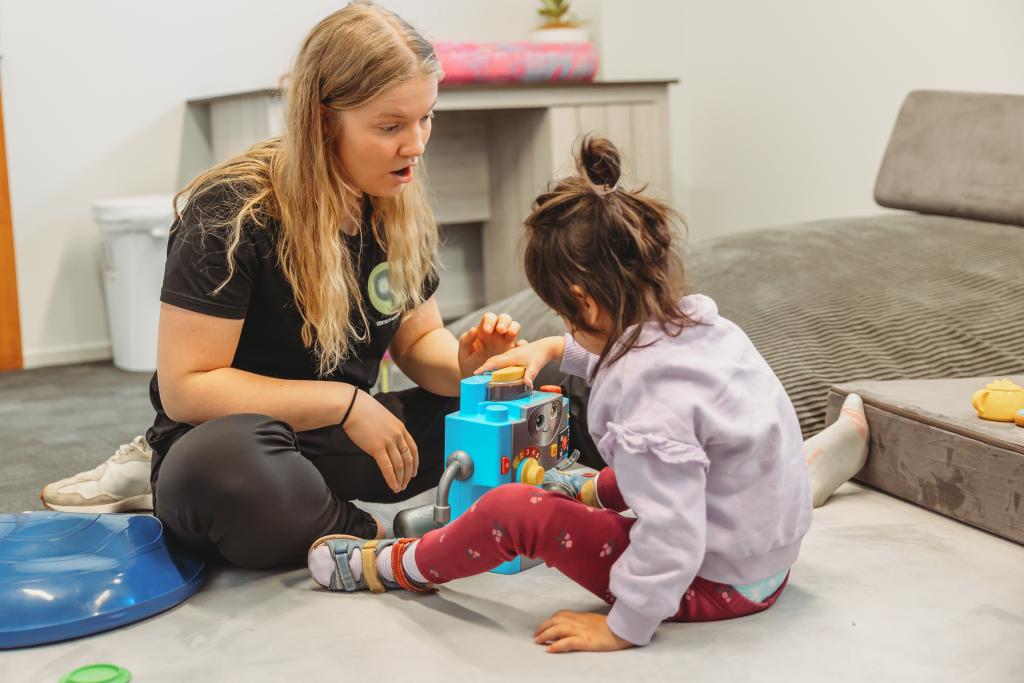
Table of Contents
Every child develops in their own unique way. Sometimes children need additional support to develop skills, participate in everyday activities or feel confident in their environment.
Paediatric Occupational Therapists (OTs) in Aotearoa New Zealand support children with a wide range of needs. This may include children with neurological or genetic conditions, such as Cerebral Palsy, Rett syndrome and Down syndrome, as well as children without a diagnosis who may benefit from additional support to learn new skills and participate more
fully in everyday life.
At the Centre of Movement, we take a whole-child approach, considering a child’s movement, sensory processing, communication, learning, regulation, strengths, interests and environment, and how these interact to influence participation.
What can paediatric OT support?
● Movement and motor development: Coordination, motor planning, balance,
strength, body awareness, postural control and using both sides of the body.
● Fine motor and hand skills: Hand strength, grasp, finger isolation, visual-motor
skills and bilateral hand use for play, learning and everyday activities.
● Sensory processing and regulation: Understanding and responding to sensory
information and developing strategies that support regulation and participation.
● Independence and daily living: Dressing, eating, toileting, bathing, using utensils
and participating in family routines.
● Play, learning and social participation: Building the skills and confidence needed
to play, interact and participate at home, school and in the community.
● Equipment and environmental supports: Identifying equipment, adaptations and
environmental strategies that improve accessibility and independence.
Connecting therapy to everyday life
At the Centre of Movement, we believe therapy is most meaningful when the skills developed can be used outside the therapy room. A child learning to weight-shift may be working towards taking their first steps. Developing hand strength and finger isolation may support using cutlery, accessing an AAC device or playing independently. Sensory and regulation strategies may help a child participate more comfortably in the classroom, playground or family outings.
A significant part of paediatric OT is understanding regulation. Before a child can engage, learn, move, communicate or participate, they need to feel safe and supported enough to do so. Rather than expecting a child to simply “calm down”, OT helps adults recognise what a child’s nervous system may be communicating through their behaviour, movement and responses.
Sometimes a child needs movement; sometimes reduced sensory input, slower-paced interaction, connection through play, an environmental change or simply time. We meet the child where they are, rather than expecting them to meet us where we are. Through co-regulation, adults provide the safety, connection and support children need to gradually develop their own regulation skills. These strategies can then be carried into everyday life at home, school, therapy and in the community.
The power of having an OT on your team:
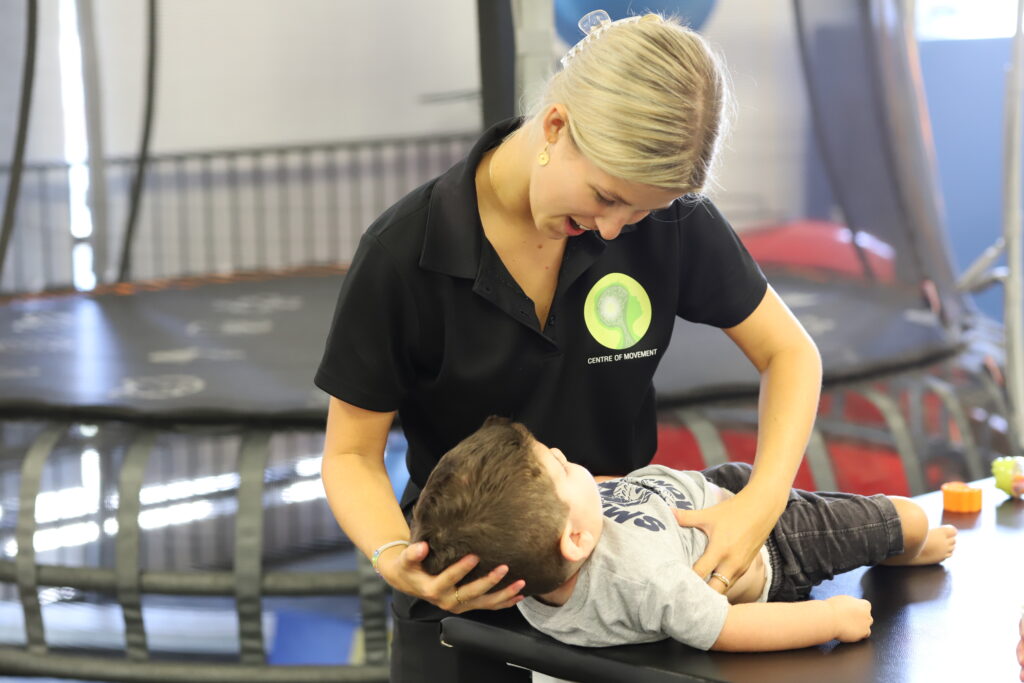
Children and whānau are often supported by multiple professionals. At the Centre of Movement, our Occupational Therapists, Physiotherapists and Exercise Physiologists work collaboratively with families and other professionals to ensure therapy is connected and purposeful.
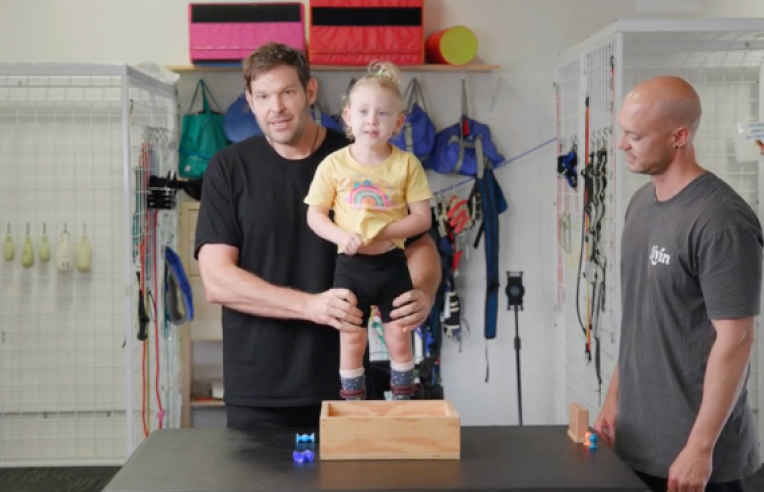
Each profession brings a different perspective. OT helps connect the physical skills being developed to what the child wants and needs to do in everyday life. For example, while the goal may be standing, OT may explore body awareness and proprioception to help a child understand where their body is in space, create meaningful reasons to stand, such as reaching for a favourite toy or participating in play, and use vestibular experiences to support balance, movement and participation.
OT also supports the wider team to recognise regulation, understand sensory needs and adapt activities so children are ready and able to participate. It isn’t just about what a child can do in therapy; it is about what those skills allow them to do in their everyday world. At the Centre of Movement, we believe the best outcomes happen when professionals and whānau work together, share knowledge and keep the child at the centre of the process.
Blog
You maybe also Like.
- Blogs
What Is NMES/FES in Paediatric Therapy and How Does It Work?
Functional Electrical Stimulation (FES) and Neuromuscular Electrical Stimulation (NMES) are...
- Blogs
Why Early Intervention is Important for Tamariki in New Zealand
When a child is identified as having a developmental delay,...
- Blogs
Evidence-Based Functional Physiotherapy for Children in New Zealand
Evidence-based physiotherapy means that clinical decisions are guided by the...