Our occupational therapists in Christchurch and Rotorua work with children from infancy through adolescence who may have physical, developmental, sensory or cognitive challenges that affect their everyday life, including children with neurological, genetic and developmental conditions.
The goal of children’s Occupational Therapy is to promote independence, improve functional abilities, enhance social interactions and support overall wellbeing. Therapy is tailored to each child and can help develop the movement, coordination, sensory, self-care and participation skills they need for everyday life.
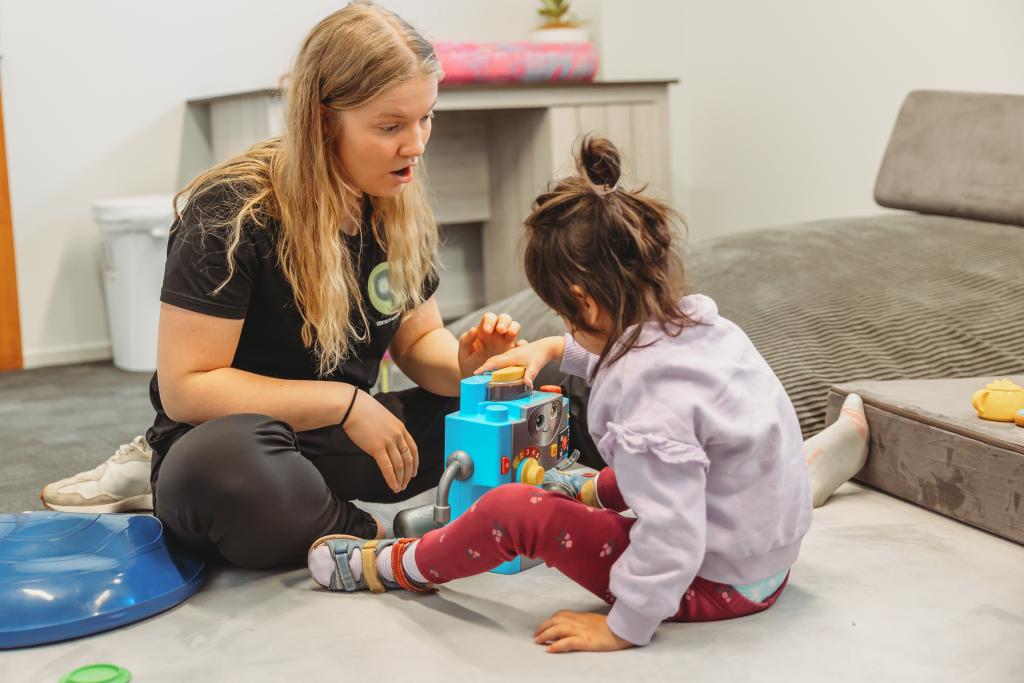
Occupational Therapy
How can Occupational Therapy support your child?
Occupational Therapy looks at how a child’s neurological, genetic, developmental or other challenges affect their ability to participate in everyday life. Our occupational therapists work with children to develop the skills they need to play, move, communicate, learn, care for themselves and participate more independently at home, school and in the community.
Every child has different strengths, challenges and goals, so therapy is tailored to what matters most to them and their family. This may involve developing movement and coordination, hand and upper limb function, sensory processing, self-care skills, communication or participation in play and everyday activities.
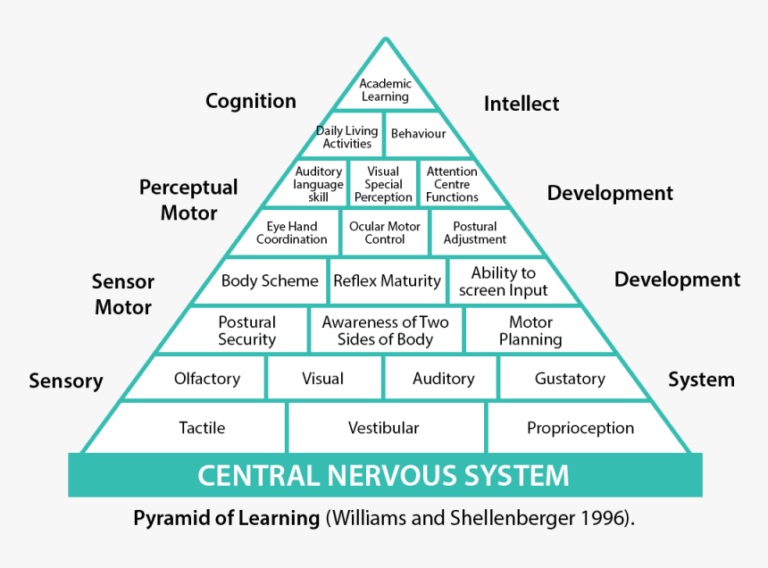
Because before we can expect the brain to learn, we need to support the systems that help it learn.
“A well-trained nervous system is
the greatest friend a mind can have”
Occupational Therapy
Areas our Occupational Therapists can support
Attention and Behaviour
The ability to focus and self regulate. The gap between what your child can do and where they want to be. This can be influenced by motivation, self-esteem, sensory integration, practice, language difficulties and any existing diagnosis.
Physical Skills
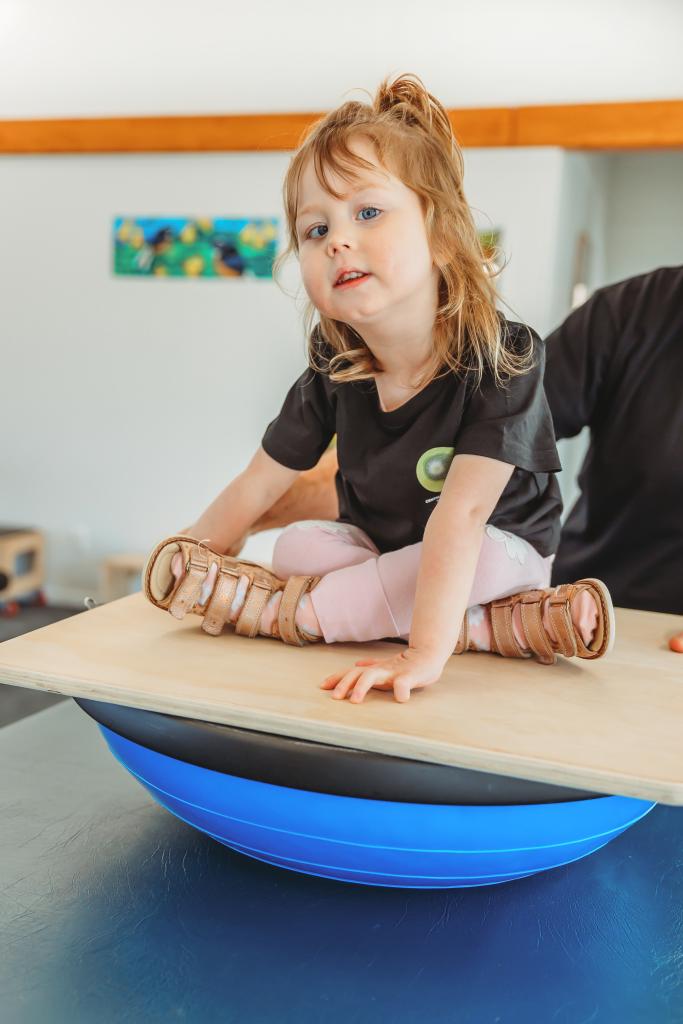
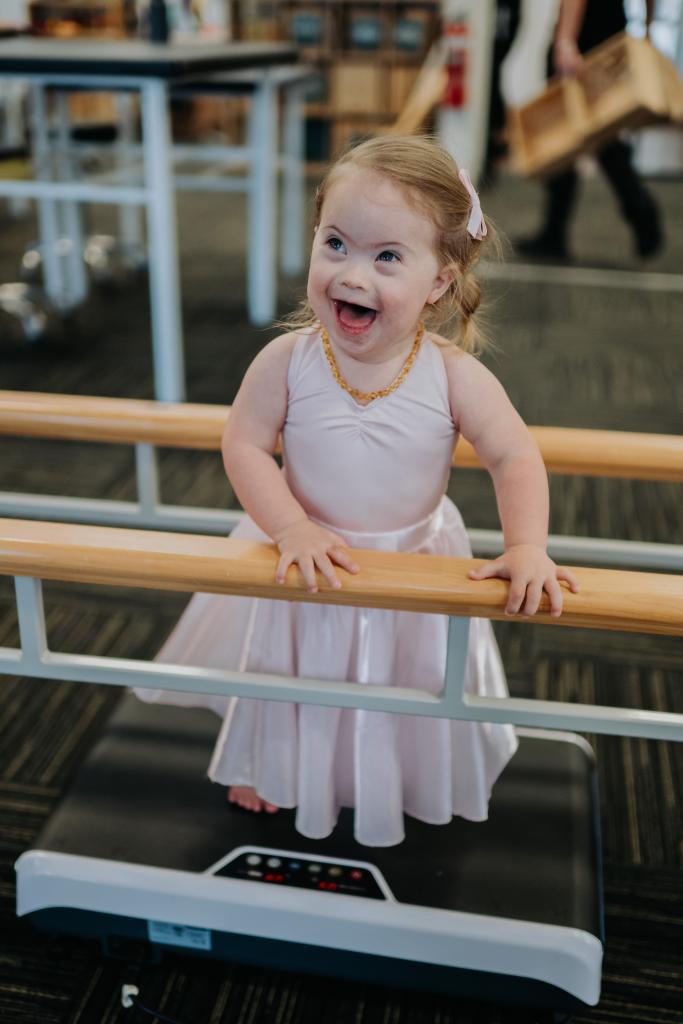
Physical skills like balance, core stability, and coordination create the foundation for everything else. When a child can organise their body through posture and movement, they’re better able to focus, play, and learn. Strengthening these physical skills opens the door to independence and participation in daily life.
School Readiness
Our school readiness programs are designed to support children in developing the key skills they need to feel confident and successful at school. We focus on the foundations of learning, including social interaction, play, language and communication, emotional development, physical abilities, early literacy and fine motor skills.
Child Development
Every child develops in their own time and in their own way. Occupational Therapy can support children with or without a diagnosis, at any stage of development. We work alongside children and families to support development, build skills and promote participation in everyday life. We also provide parent education and practical strategies to help families understand and support their child’s development at home.
Play and Social Skills
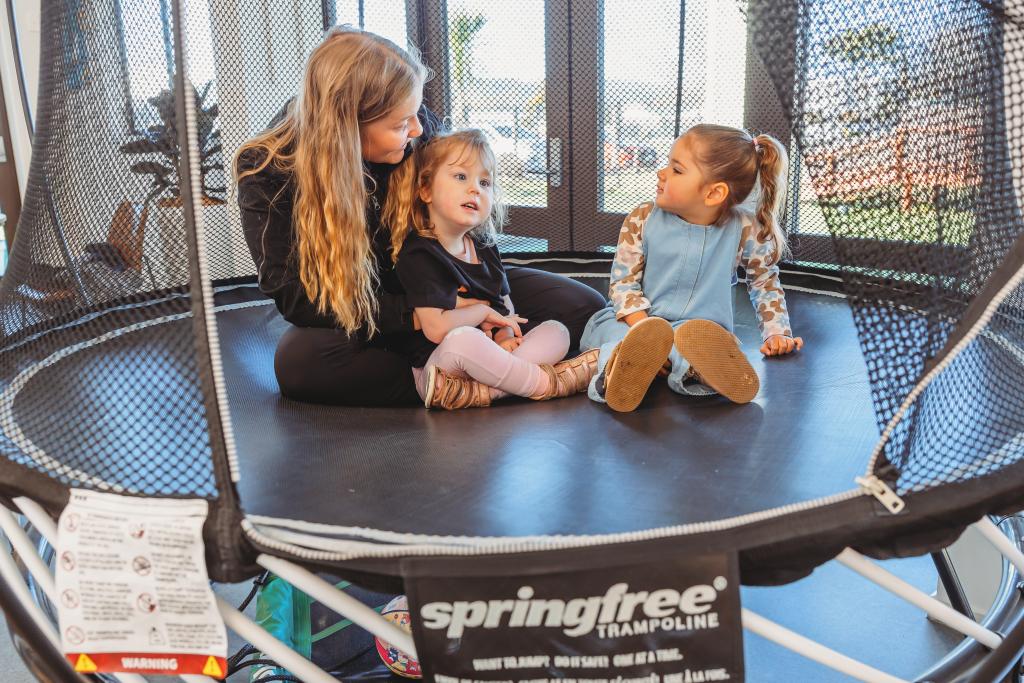
Play is how children learn about themselves, others and the world around them. It helps children build social skills, confidence, communication and emotional regulation, while preparing them to take part in group environments. Occupational Therapists help children develop the skills they need to play, connect and learn with others.
Intensive Therapy
Centre of Movement offers intensive therapy programs designed to help children work towards specific goals and achieve progress in a focused period. Programs can be specifc to Occupational Therapy and incoropate Physiotherapy, Exercise Physiology and Hydrotherapy, depending on your child’s individual needs. Intensives are typically offered over 1–3 weeks, with a tailored plan to support meaningful outcomes and build skills.
Sensory Processing
Occupational Therapy can support children who experience differences in how they process and respond to sensory information. We help children and their whānau develop strategies to regulate their responses to movement, touch, sound and other sensory experiences, helping them feel more comfortable and confident in everyday activities.
Occupational Therapy
FAQ’s
What does an Occupational Therapy session actually look like?
Every Occupational Therapy session is tailored to your child’s individual needs, abilities and goals. Sessions can involve a combination of:
- Movement
- Play
- Hands-on activities
- Sensory experiences
- Functional tasks
- Communication
- Problem solving
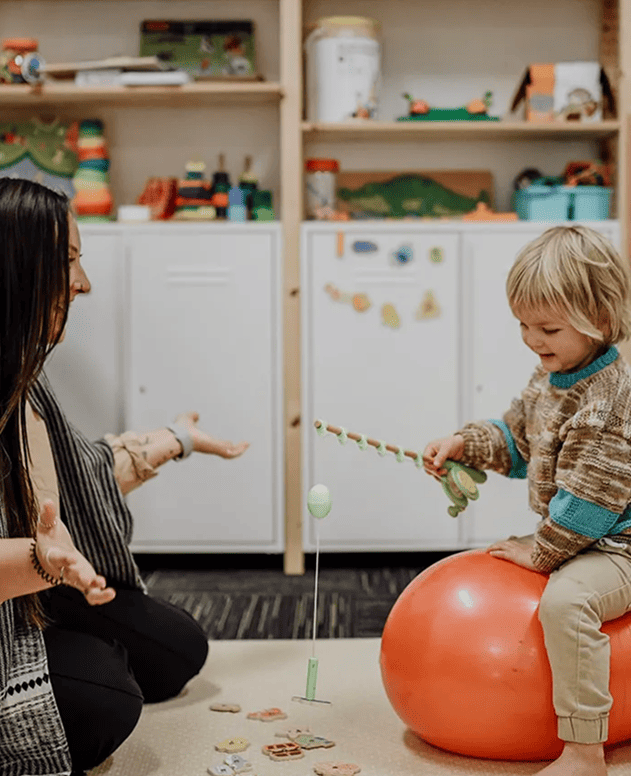
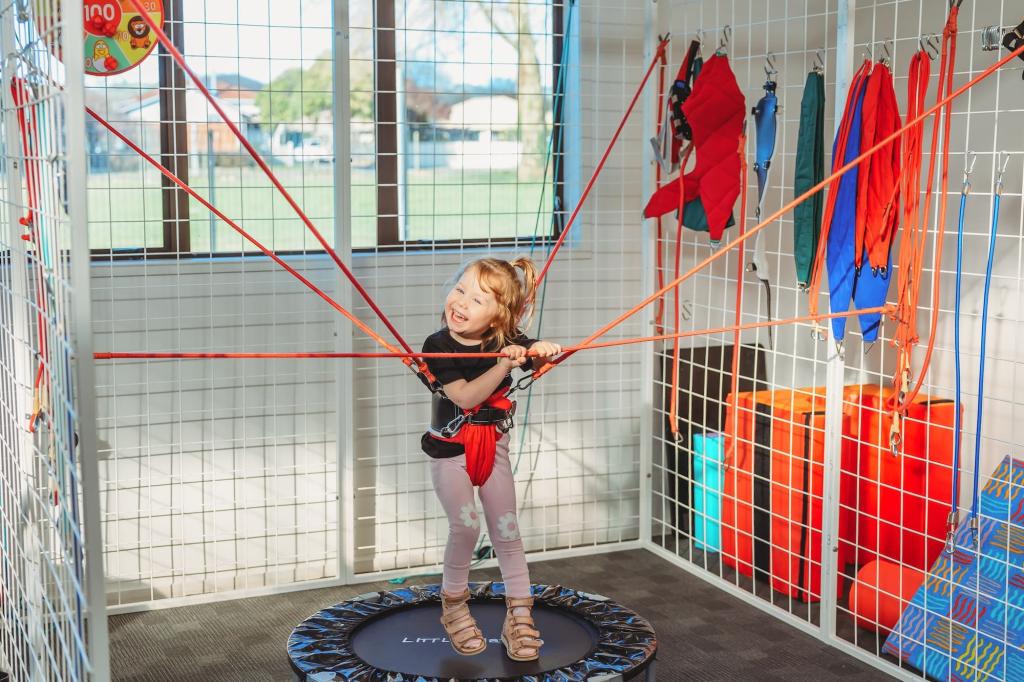
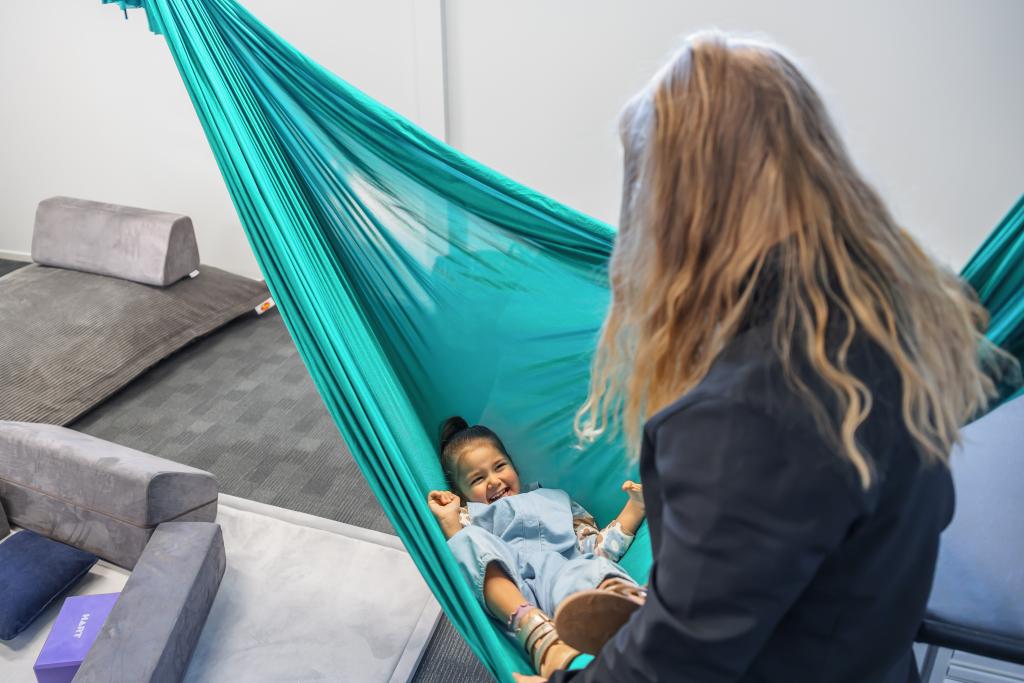
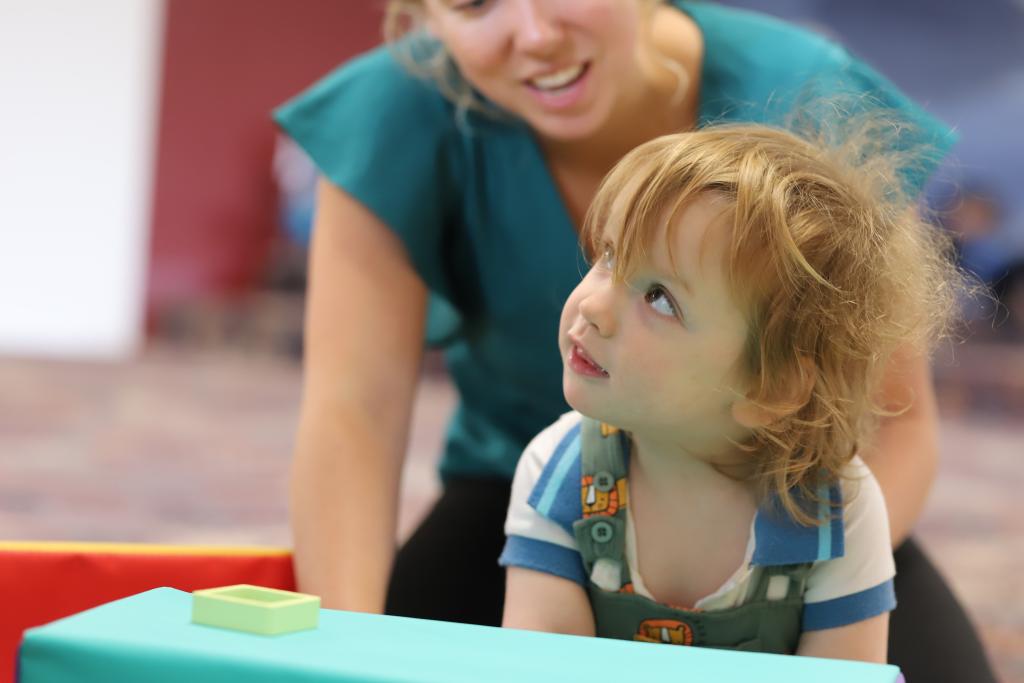
For example, your child might work on postural control while reaching for toys, use a swing for movement and sensory input, practise using both hands together through play, or apply these skills to everyday tasks.
While sessions are designed to be engaging and fun, the play always has a purpose. Each activity is carefully chosen to develop skills that can support your child’s independence and participation at home, kindy, school and in the community.
How can Occupational Therapy be part of my child’s intensive therapy program?
We include Occupational Therapy in intensive programs because it helps bridge new movement and skills with real-life independence.
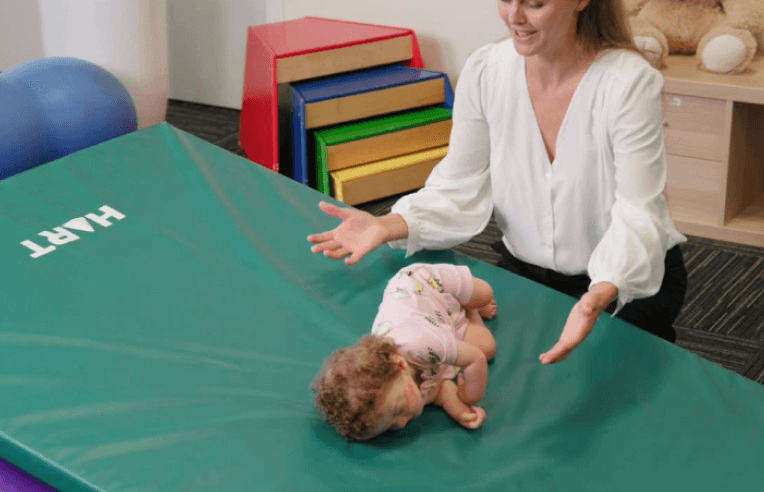
OT works alongside movement and physical therapies to help children turn gains in strength, postural control, sensory regulation and coordination into practical everyday skills. This might include rolling, sitting, standing and stepping, and linking these skills to feeding, dressing, play, communication and participation at home and school.
A key part of our approach is parent and whānau coaching, providing practical strategies and home programs to help skills carry over into everyday life.
The focused nature of an intensive program provides an opportunity to work closely on individual goals and support progress to become part of your child’s everyday routines.
What skills can Occupational Therapy help my child develop?
Occupational Therapy (OT) helps children and young people build the everyday skills they need for home, kindy, school, sport and community life. We focus on practical skills that support confidence, independence and participation.
What OT can work on:
- Developmental skills: Movement, play, learning, attention and behaviour that may impact everyday participation.
- Fine motor skills: Pencil and scissor use, drawing and handwriting, using cutlery and toothbrushes, opening containers, shoelaces and clothing fastenings.
- Gross motor skills: Posture and core stability, running, jumping, ball skills, bike and scooter skills, and endurance for sitting and participating in activities.
- Sensory processing: Understanding sensory needs and developing strategies to support attention, regulation and participation in different environments.
- Executive functioning: Working memory, planning, flexible thinking, task initiation, organisation and sustaining attention.
- Visual processing: Visual tracking, perception, spacing for reading and writing, puzzles, worksheets and finding items in busy environments.
- Self-care and independence: Dressing, toileting, hygiene, feeding and mealtimes, and sleep routines.
- Self-management: Managing belongings, understanding time, getting ready for the day and navigating daily routines.
- Participation: Practical strategies to support children at home, preschool, school, swimming, sport and in the community, with coaching for parents, whānau and teachers.
What does Occupational Therapy look like for children with neurological or genetic conditions?
For children with neurological or genetic conditions, everyday activities can require additional physical, sensory, cognitive or communication skills. Occupational Therapy considers the whole child and how their condition affects their ability to participate in the activities that are important to them.
Therapy may focus on areas such as postural control, reaching and hand use, coordination, sensory processing, self-care, play, communication and mobility. Our occupational therapists can also work alongside other members of your child’s multidisciplinary therapy team to support shared functional goals.
Why is having an OT on your child’s multidisciplinary therapy team important?
Occupational Therapists focus on helping children use their skills in meaningful everyday activities. We also place a strong focus on regulation, helping children understand and manage their sensory and emotional needs so they are ready to engage, learn and participate.
By working alongside Physiotherapists and other health professionals, OT can connect your child’s movement, sensory, communication and functional skills with everyday goals
What is the difference between Occupational Therapy and Physiotherapy?
Both can support a child’s movement and development, but they have different areas of focus. Physiotherapy generally focuses on movement, strength, mobility, balance and physical function, while Occupational Therapy focuses on the skills a child needs to participate in everyday activities. The two can work closely together as part of your child’s therapy team.
What makes the Occupational Therapy approach different?
Occupational Therapy looks at the whole child and considers how their physical, sensory, cognitive and developmental needs affect everyday participation. Therapy is tailored to your child’s strengths, challenges and goals, with activities designed to build practical skills they can use in daily life.
Can Occupational Therapy help if my child is struggling at school?
Yes. Occupational Therapy can support children who are experiencing challenges with attention, coordination, fine motor skills, handwriting, sensory regulation, following instructions and other skills that can affect learning and participation at school. Academic support is just one part of Occupational Therapy, which can also help children develop greater independence across home, play and community environments.
Can my child see an OT for regular sessions?
Yes. Your child can see an Occupational Therapist for regular sessions to support their individual needs and development.
Regular OT sessions provide ongoing support to build skills, work towards specific goals and help children participate more confidently in everyday activities. Sessions can also include parent and whānau education and practical strategies to support progress at home and in other environments.