- Blogs
How Centre Of Movement Uses the Hypervibe in Paediatric Physical Therapy
-
-
July 24, 2026
-
Reading time 11 mins
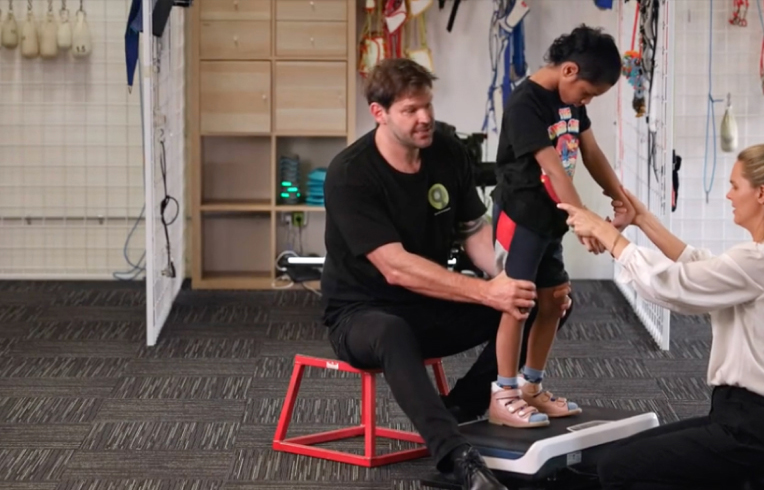
Table of Contents
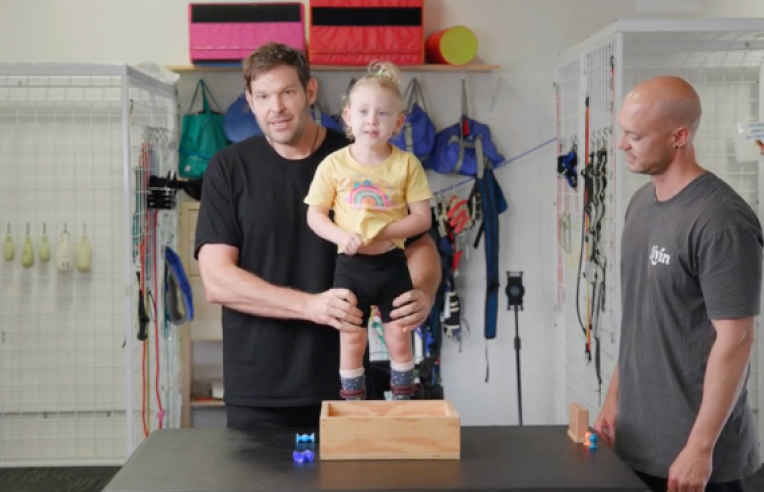
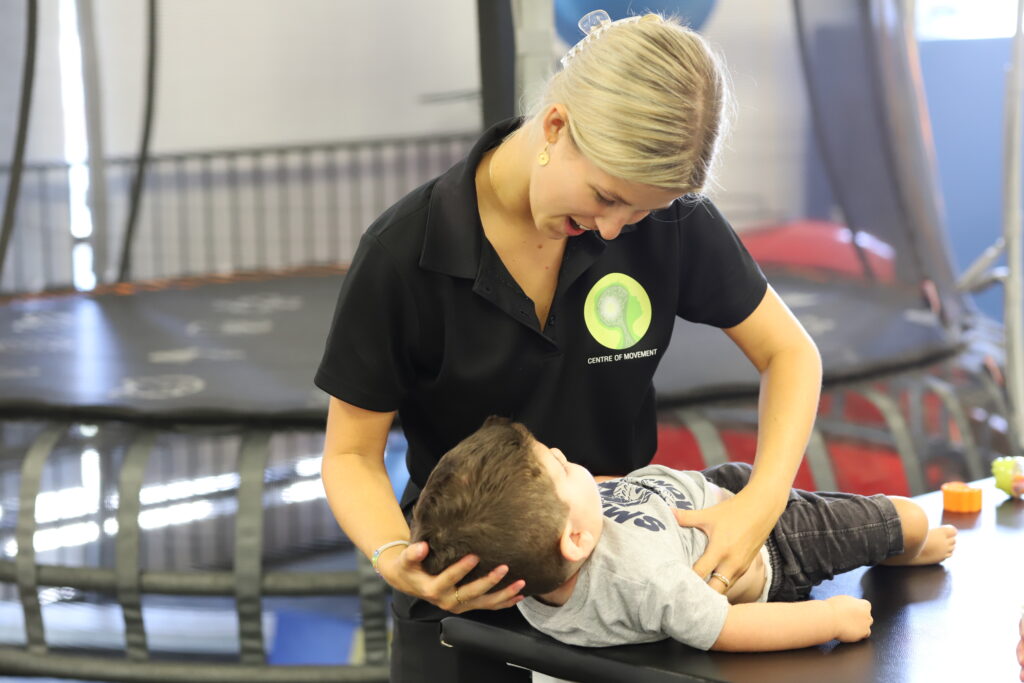
At Centre of Movement (COM), we support children with neurological and developmental conditions to move, explore, and participate with confidence. A key part of our approach is using evidence-informed tools to enhance therapeutic outcomes. One modality increasingly used in paediatric physical therapy is whole-body vibration therapy (WBVT), commonly delivered through devices like the Hypervibe vibration plate.
In this blog, we explore what WBVT is, how the Hypervibe works, and how we apply it across intensive blocks, regular weekly therapy, and home programs in the COM model of care.
What Is Whole-Body Vibration Therapy?
WBVT involves a platform that transmits mechanical vibration through the body. Hypervibe devices use a pivotal, side-to-side motion which encourages natural pelvic rotation and weight shift similar to components of gait.
Research suggests WBVT may support children by:
-
- Creating rapid stretch-reflex contractions that promote muscle activation even when voluntary movement is limited.
- Increasing proprioceptive input to improve balance and postural control.
- Providing mechanical loading that may assist circulation and soft tissue activation.
- Increasing engagement and participation due to novel sensory input
- Supporting children with neurological conditions where voluntary movement can be more difficult
These mechanisms make WBVT a versatile adjunct to therapy across a range of functional abilities.
How COM uses the Hypervibe across different therapy settings
| Intensive Therapy | Weekly Therapy | Home Programs |
| High-dose, multi-day blocks where WBVT provides large amounts of sensory and neuromuscular input to prepare the body for functional work. | Short, ongoing appointments where WBVT supports consistency, progression, and maintenance of gains from intensives. | Used to increase the overall dosage of activation-based input between clinic sessions, complementing existing home routines. |
| Focus on priming activation for high-volume task practice and supporting engagement and regulation across longer sessions. | Focus on preparing the nervous system for functional tasks in a time-efficient way, and providing input on low-energy days. | Not used to prescribe specific exercises, but to reinforce therapy gains in alignment with individual goals. |
How WBVT Fits into the COM Model of Care
At COM, the Hypervibe is considered an adjunct rather than a stand-alone therapy. It contributes to progress through:
- supporting strength development
- enhancing balance and coordination
- offering sensory input and regulation
- assisting task-specific motor learning
- complementing functional movement practice
WBVT is integrated alongside hands-on therapy, strength programming, gait training, play-based sessions, and home rehabilitation programs to support meaningful movement outcomes. We use the Hypervibe as an adjunctive modality where appropriate, tailoring its use to each child’s presentation, goals, and response to therapy.
If you’d like to explore whether vibration therapy could support your child, our clinicians can help determine whether the Hypervibe is suitable as part of their personalised plan.
REFERENCES:
Beelieve Pediatric Therapy. (2023, January 26). Intensive tools: HyperVibe. https://www.beelievepediatrictherapy.com/post/intensive-tools-hypervibe
Hypervibe. (n.d.). Pediatric rehabilitation. https://www.hypervibe.com/au/pediatric-rehabilitation/
Hypervibe. (2015, December 19). The use of WBV therapy in kids: What science says. https://www.hypervibe.com/au/blog/the-use-of-wbv-therapy-in-kids-what-science-says/
On The Ball Pediatric Therapy. (n.d.). Hypervibe / whole body vibration. https://www.ontheball.ca/sub-services/hypervibe-whole-body-vibration
Therapy Stars. (2024, June 10). What is whole body vibration therapy? https://therapystars.co.uk/what-is-whole-body-vibration-therapy/
Blog
You maybe also Like.
- Blogs
Why Early Intervention is Important for Tamariki in New Zealand
When a child is identified as having a developmental delay,...
- Blogs
Paediatric Occupational Therapy in New Zealand: What Do OTs Actually Do, and How Can They Help?
Paediatric Occupational Therapists (OTs) in Aotearoa New Zealand support children...
- Blogs
Evidence-Based Functional Physiotherapy for Children in New Zealand
Evidence-based physiotherapy means that clinical decisions are guided by the...