- Blogs
Maximising Functional Outcomes: Exploring Intensive Therapy for Children with Neurological Disabilities
-
By Finn Lentz Exercise Physiologist
-
June 1, 2026
-
Reading time 14 mins
Table of Contents
In the dynamic field of paediatric neurorehabilitation, the intensive model of therapy (IMOT) is revolutionising the way we approach therapy for children with neurological disabilities.
By immersing children in 2-4 hours of therapy daily over 2-3 weeks, we harnesses the power of neuroplasticity—our brain’s incredible ability to reorganize and adapt in response to therapeutic stimuli. This focused, repetitive intervention not only accelerates learning and development but also paves the way for significant improvements in physical and cognitive functions.
Discover how a structured, goal-oriented, and multidisciplinary therapy model can transform lives and why early, intensive intervention is key to maximizing functional outcomes. Join us as we explore the future of paediatric neurorehabilitation and the impactful role of intensive therapy in fostering growth and independence for children with neurological disabilities.
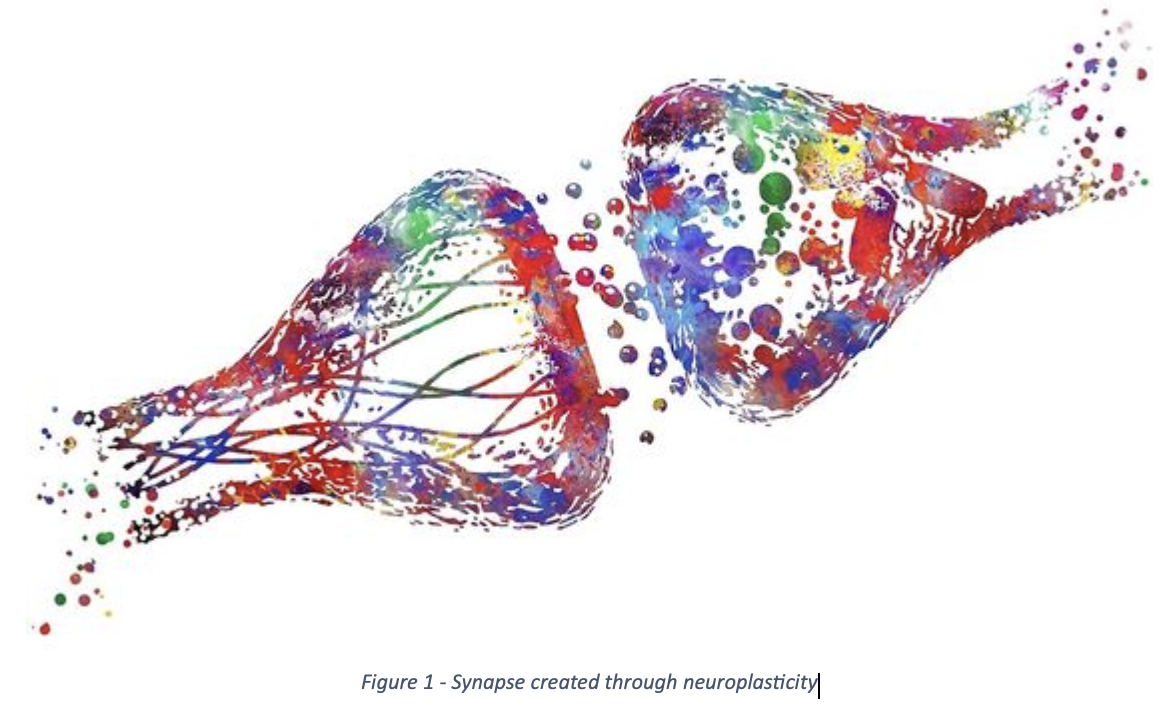
In the realm of paediatric neurorehabilitation, the intensive model of therapy (IMOT) stands out as a rigorous and targeted approach aimed at maximising functional outcomes through intensive and repetitive therapeutic interventions.
Unlike traditional therapy models that typically involve sessions on a weekly or bi-weekly basis, IMOT immerses children in 2 to 4 hours of therapy daily for 2 to 3 weeks. This concentrated treatment strategy capitalises on neuroplasticity; the brain’s ability to reorganise its structure and functions in response to stimuli (therapy in this case).
This fundamental property of the brain underpins learning, physical and cognitive development, memory formation, and recovery following injury or neurological impairment.
What does intensive therapy look like?
Frequency and duration:
Intensive therapy sessions occur daily with 2 to 4 one-hour long sessions with a different therapist for each hour. The child will engage in this process every day for 2 to 3 weeks, allowing for a consistent and concentrated therapeutic effort. This frequency optimally engages the brain’s neuroplastic responses, fostering accelerated learning and adaptation.
Goal-orientated:
To ensure results, goals are set with each client at the start of their intensive therapy block. At the Centre of Movement, we use the Canadian Occupational Performance Measure (COPM) which allows for a client-centred approach to setting goals.
Families identify and prioritise areas of concern, rate their performance and satisfaction, and collaboratively develop SMART goals with therapists. This structured process ensures goals are meaningful, achievable, and aligned with client priorities.
Family involvement:
Family involvement in intensive therapy ensures consistent application of therapeutic strategies at home, promoting skill generalisation and long-term progress. At the conclusion of the intensive therapy block, a structured home exercise program tailored to the child’s needs is provided to the family. This helps to enhance long-term motivation, supports ongoing practice, and reinforces gains achieved during therapy sessions – ultimately optimising functional outcomes.
The water environment allows for movements that may not be possible on land, and the increased resistance can further enhance the benefits of hydrotherapy. (Becker, 2009; Mooventhan & Nivethitha, 2014). The water-based environment can help aid in reduction of muscle spasticity through warmer temperatures, improve underwater gait kinematics, improve confidence, and ability to balance and functionally mobilize independently.
Buoyancy in the water can decrease the effect of gravity by providing additional postural support, reduce abnormal joint loading that exercise on land may impose; thus, reducing overall joint impact.
A multidisciplinary approach
Intensive therapy blocks integrate a multidisciplinary team approach. At the Centre Of Movement, this effort sees occupational therapists, physiotherapists, and exercise physiologists collaborate collectively to implement a diverse range of therapeutic modalities.
Depending on your child’s needs we use a collection of the following modalities:
- TREXO Robotics
- Occupational Therapy
- Physiotherapy
- Exercise Physiology
- TheraSuit Method
- Dynamic Movement Intervention (DMI)
- The Tomatis Method
- Hydrotherapy
- Gait Training
- Feldenkrais
- Cuevas Medek Exercise (CME)
Who benefits from intensive therapy?
Blog
You maybe also Like.
- Blogs
What Is NMES/FES in Paediatric Therapy and How Does It Work?
Functional Electrical Stimulation (FES) and Neuromuscular Electrical Stimulation (NMES) are...
- Blogs
Why Early Intervention is Important for Tamariki in New Zealand
When a child is identified as having a developmental delay,...
- Blogs
Paediatric Occupational Therapy in New Zealand: What Do OTs Actually Do, and How Can They Help?
Paediatric Occupational Therapists (OTs) in Aotearoa New Zealand support children...