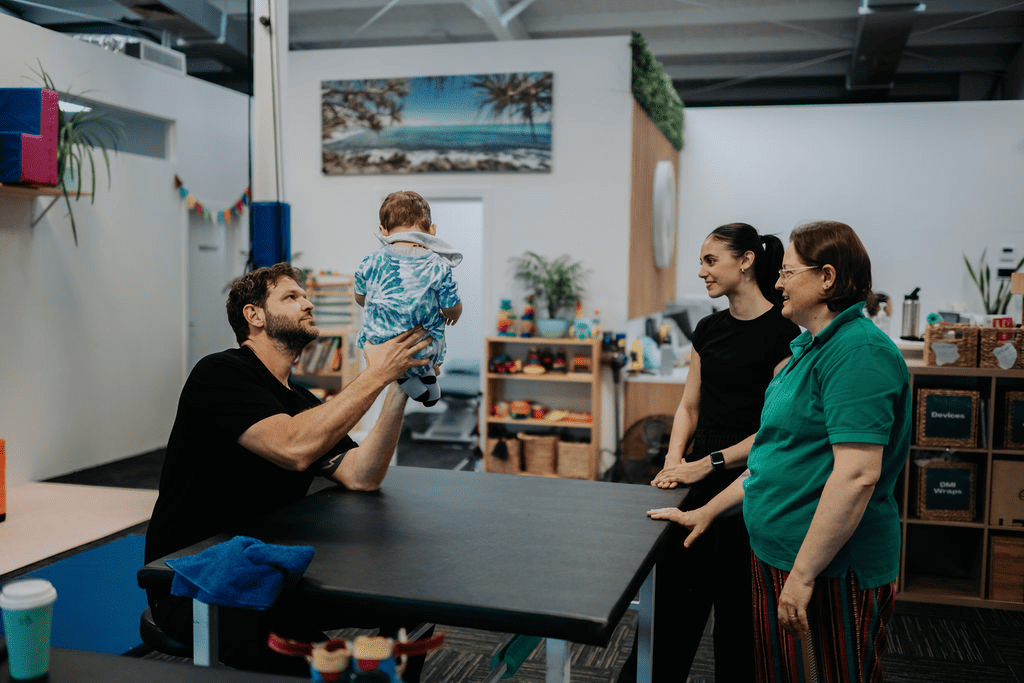
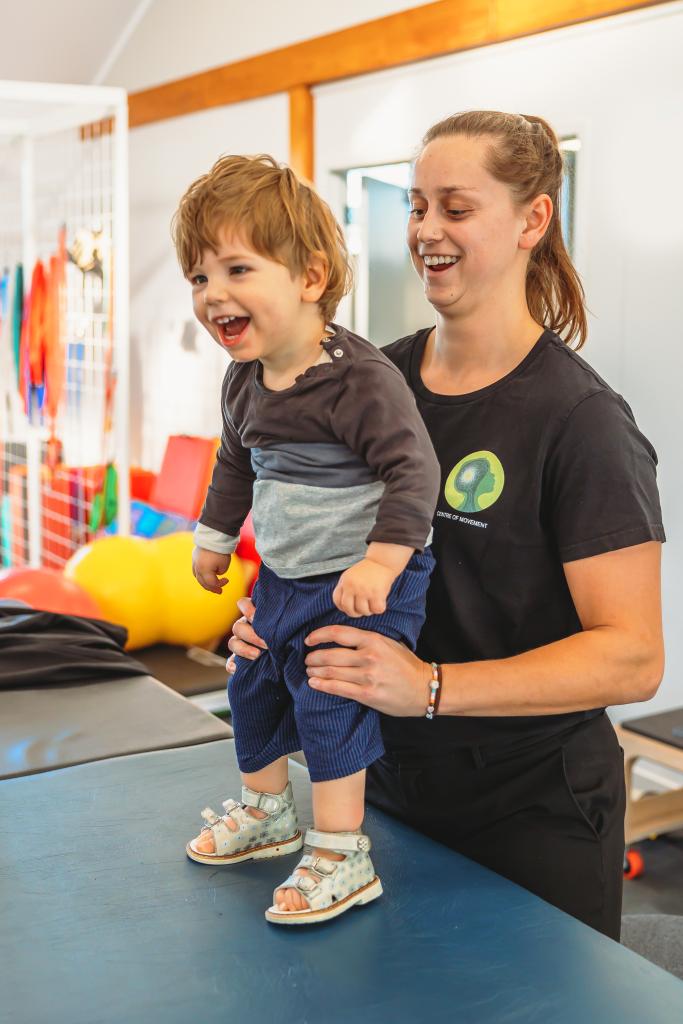
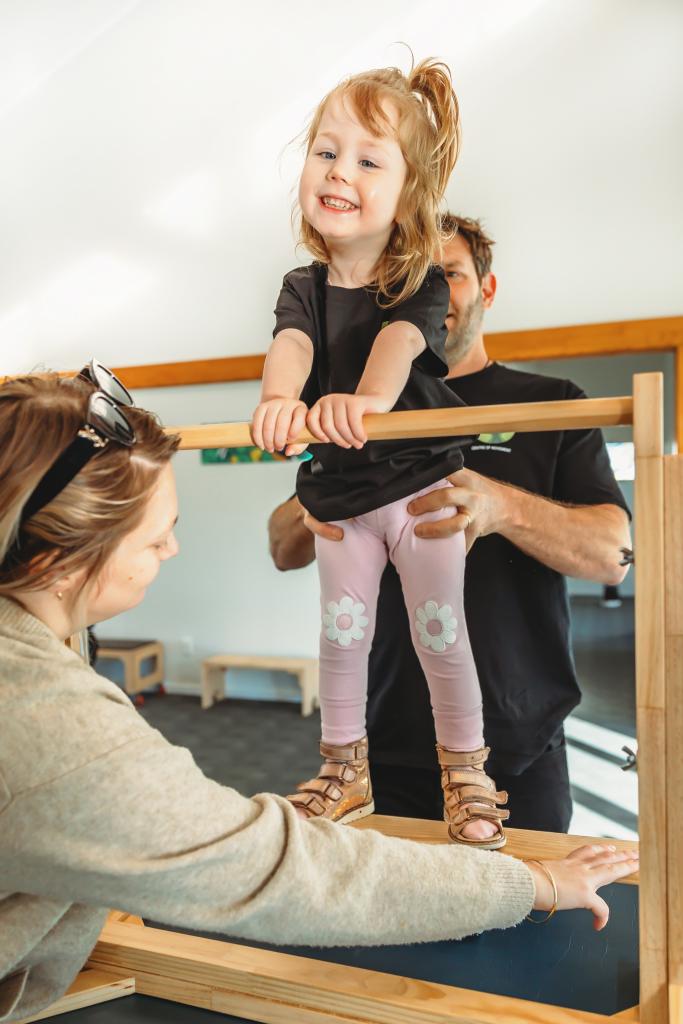
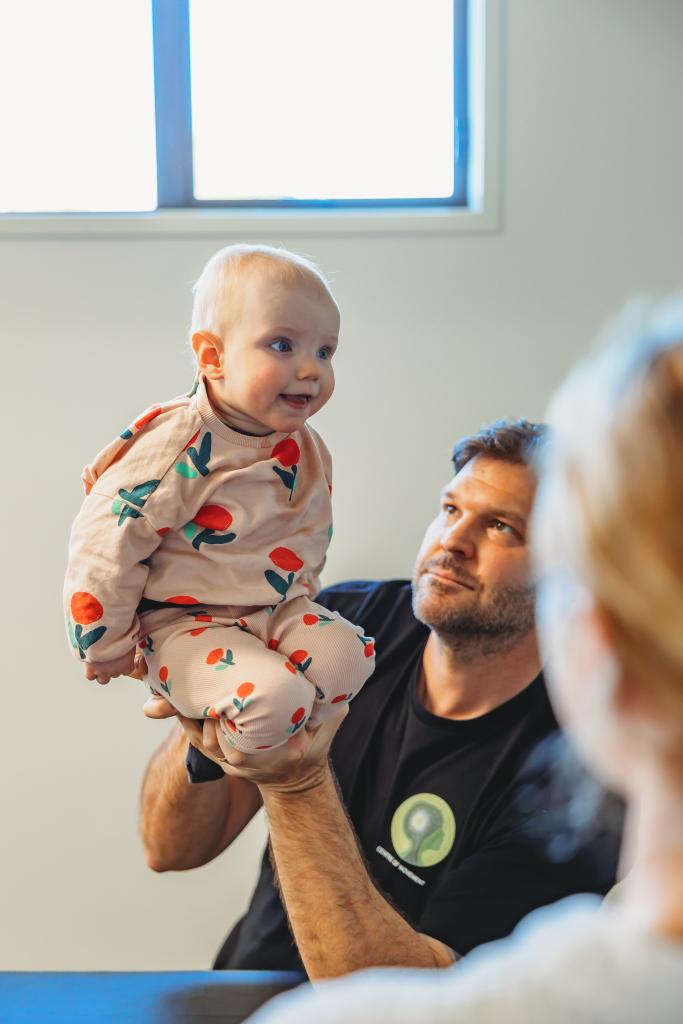
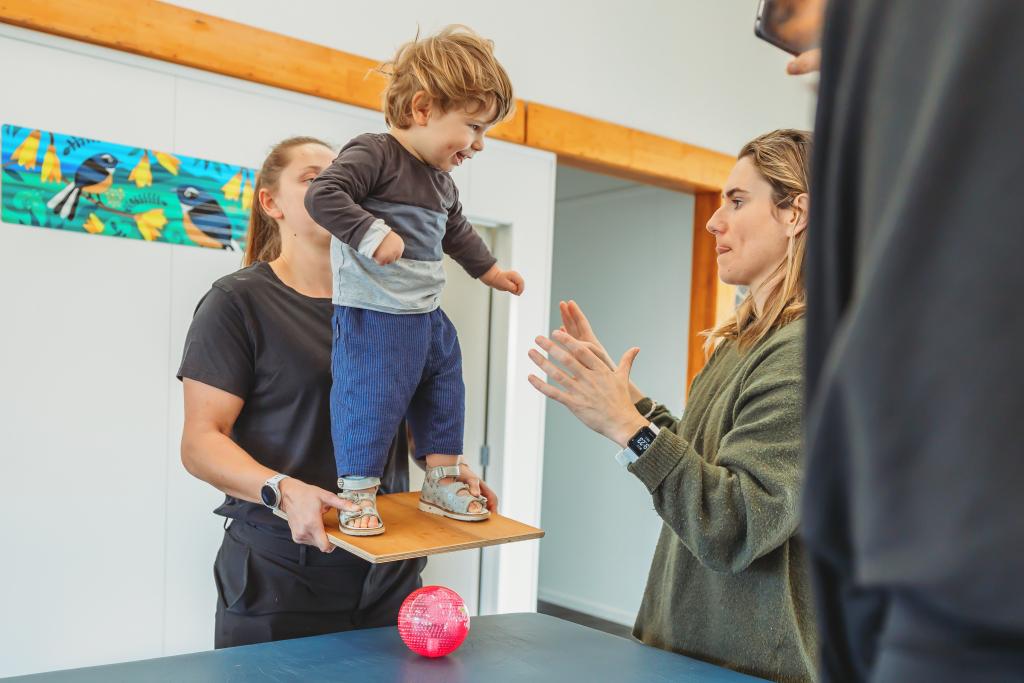
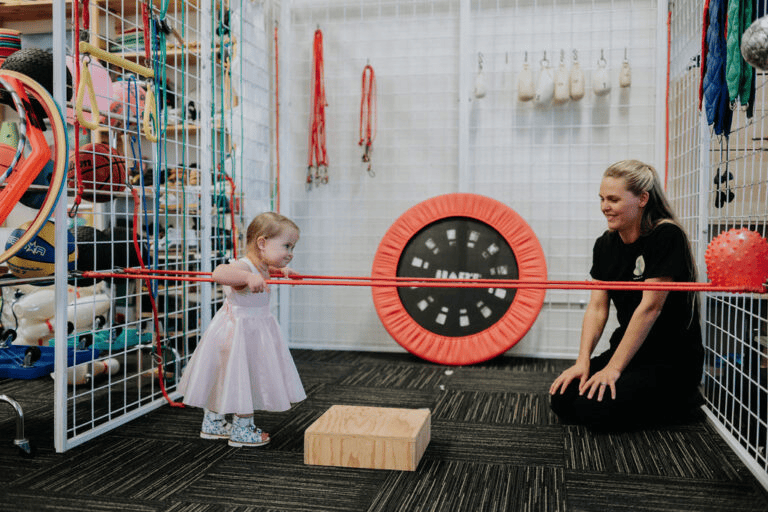
During a DMI therapy session the child will complete many different exercises which provide novel and varied sensory and motor challenges and each exercise is repeated around 5 times.
Exercises may be repeated from session to session until the movements become automatic, which results in improved balance and function. Exercises are conducted on a tabletop or the floor based on the child’s abilities.
DMI Therapy works well in conjunction with other therapeutic techniques and therapy equipment. These are often combined in a treatment session to provide better alignment and enhance optimal outcomes.
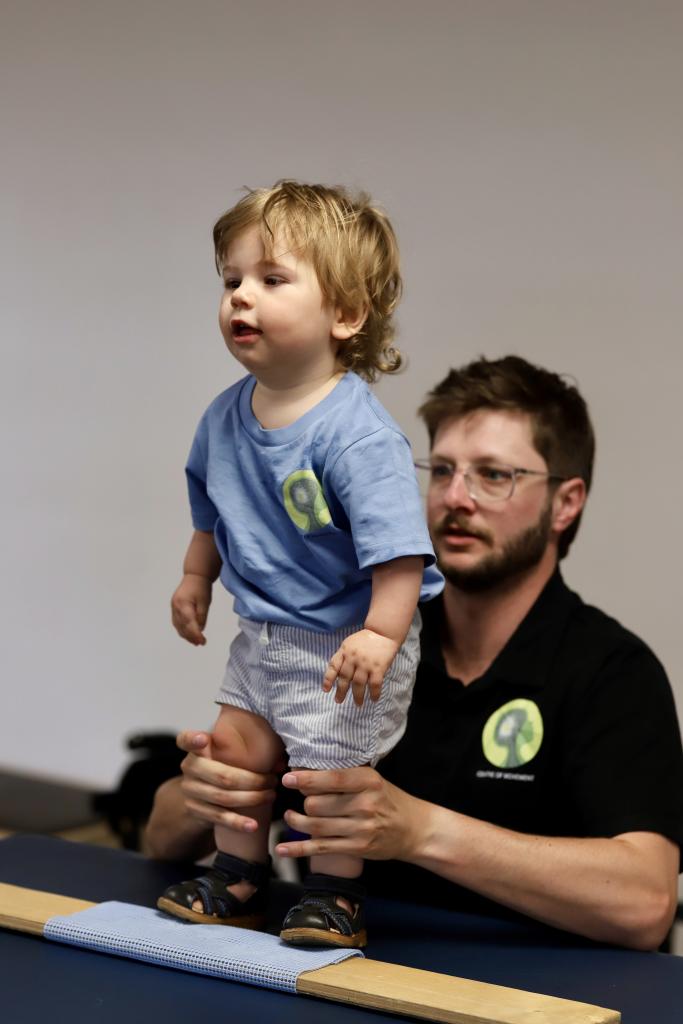
DMI focuses on:
Gross motor skills
Improving gross motor skills of children from birth by developing automatic motor movement. (Promotes Neurological Maturity )
Gradual progression –
Continuously increasing the challenge to encourage the child to respond with greater independence.
Alignment and Postural Control
All exercises focus on optimal anatomical alignment and stimulate postural control and verticality.
Range of Motion
Muscle and joint range of motion is achieved by movement (Dynamical and functional stretching)
Functional movements
Improving actions and skills that lead to attaining milestones such as rolling, sitting, standing, and walking.
Somatosensory Development
The strong sensory information provided by the exercises sends afferent messages to the brain to create specialized synapses that fine tune balance, muscle control, and movement.
Overall Development
Modifying tone, primitive reflexes, and abnormal patterns of movement DMI strives to provide normalized movement patterns to children with neurological dysfunction to assist with the integration of disruptive primitive reflexes.
Global Development
DMI focuses on gross motor skills, however, many other skills develop as a byproduct of this intensive intervention.
Balance
Improved balance is a common thread through most DMI exercises.
Dynamic Movement Intervention (DMI) is one of the core therapies we use to help children with neurological conditions and motor delays achieve movement skills that may otherwise seem out of reach. By guiding children through precise, targeted exercises that challenge balance, coordination, and postural control, DMI stimulates the brain’s natural ability to form new pathways. Whether it’s building head and trunk control, moving into sitting, standing, or taking first steps, DMI offers a structured way to unlock progress. At Centre of Movement, we combine DMI with our intensive therapy model so children are given not just the chance to move, but the chance to thrive.